
The Gospel in Plain Terms: Sin, Sacrifice, and Salvation
- A. Monch
- Apr 16
- 4 min read
I have spoken with many thoughtful people who often say, “People are generally good.” On its face, most people do treat others fairly well. But historical and global data tell a more complicated story. For instance, the Romans practiced brutal crucifixion from the 3rd century BCE to the 4th century CE; about six million Jewish men, women, and children were murdered in the Holocaust; Idi Amin’s rule in Uganda (1971–1979) saw mass killings, ethnic expulsions, and public executions; and, more recently in the United States, there were about 20,162 homicides in 2024 and roughly 400,000–450,000 sexual assaults each year. Even the 2020 protests after George Floyd’s death included several large incidents of urban looting. Taken together, these examples suggest that people can—and sometimes do—gravitate toward harmful actions.
When we read the Bible, we find that God gave Moses a set of rules (the Ten Commandments; Exodus 20:1–17) for people to live by. The first four govern our relationship with God; the last six govern our relationships with other people. The last six are:

5. Honor your father and your mother.
6. You shall not murder.
7. You shall not commit adultery.
8. You shall not steal.
9. You shall not bear false witness against your neighbor.
10. You shall not covet.
If these were followed strictly, we would see stronger family stability and elder care; intentional murder would largely disappear (homicide totals would fall dramatically, though unintentional deaths like fatal accidents could still occur); no thefts, frauds, and corruption; no jealousy-driven conflicts or divorces; and no sexually transmitted disease (STDs) transmission if sexual fidelity were universal. So why is it so hard for people to follow a simple set of rules, especially if it would make the world so much better?
We each have a tendency toward sin—our sin nature. It traces to Adam and Eve’s disobedience in Genesis, which brought a fallen condition on humanity. God provided means for restoration. He made covenants (especially with Abraham and Moses) that included forgiveness when Israel repented and kept God’s statutes. Under the Mosaic Law God instituted animal sacrifices to atone for sins, and prophets repeatedly called Israel to confess, repent, and return to God.
Even though the Israelites were close to God and witnessed many wonders, memories dimmed over time and new generations often did not know God. Despite God delivering them from Egypt with the ten plagues, the Exodus, and the crossing of the Red Sea; despite guiding them through the wilderness in a pillar of cloud by day and a pillar of fire by night; and despite miraculous victories and judgments through prophets and judges, Israel frequently fell into spiritual decline. The Bible records a recurring pattern: prosperity leads to forgetting God, followed by moral and social corruption, divine discipline, and restoration after repentance.
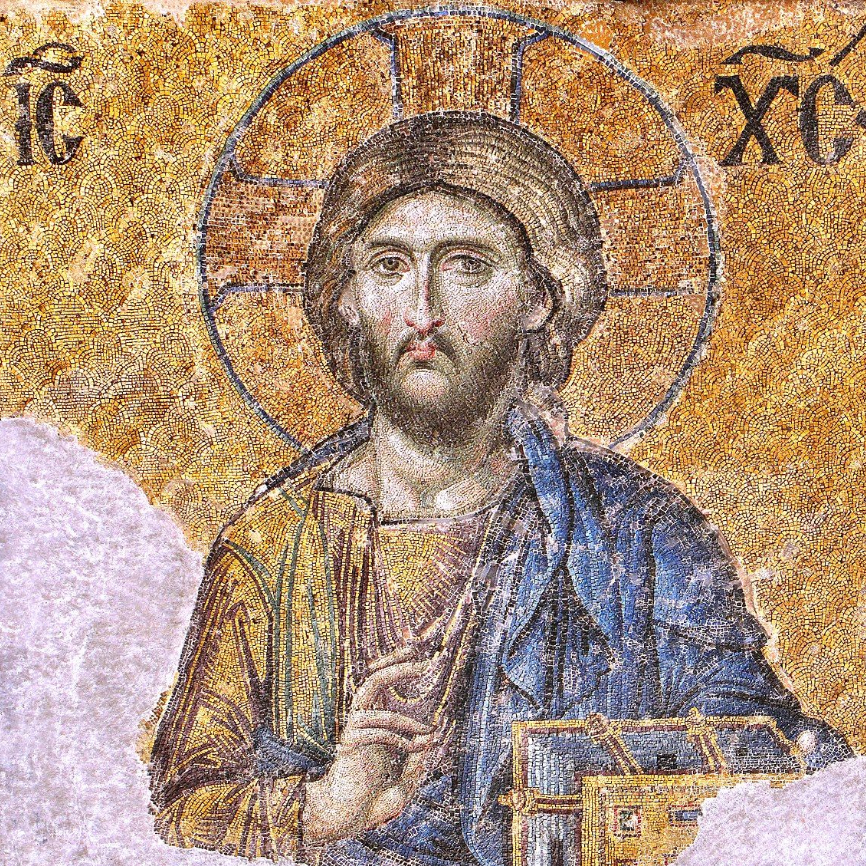
No matter how plainly God reveals himself, humans repeatedly forget and do wrong. We cannot reliably follow God’s rules on our own. This is serious because God knows all, sees all, and is perfectly just; sin requires payment. Knowing this, God did the ultimate thing to free us from our debt: he came to earth in human form as Jesus and redeemed us by sacrificing himself. Jesus was not a created being; he was fully God and fully human—one person in two natures—and therefore able to pay for our sins as the ultimate sacrifice.
This is why Christianity makes sense of the data around us. The Apostle Paul explains our predicament and how to get out of it in the book of Romans:
For all have sinned, and come short of the glory of God. (Romans 3:23)
For the wages of sin is death, but the free gift of God is eternal life in Christ Jesus our Lord. (Romans 6:23a)
If you confess with your mouth that Jesus is Lord and believe in your heart that God raised him from the dead, you will be saved. (Romans 10:9)
There is therefore now no condemnation for those who are in Christ Jesus. For the law of the Spirit of life has set you free in Christ Jesus from the law of sin and death. (Romans 8:1-2)
The word for “belief” that Paul uses is πιστεύω (pisteuó), which means more than merely believing that Jesus existed; it means “to have faith in” or “to entrust oneself to.” You have realized that you cannot do it, repented, and now believe and trust that Jesus’ sacrifice is the only adequate payment for your sins. This is also why Jesus said, “I am the way, the truth, and the life; no one comes to the Father except through Me.” (John 14:6)
If you are truly repentant and put your trust in Jesus to save you, you will be saved. You are justified for your sins, you are turning your life over to God, and He will begin the miraculous work of sanctification in your life. The Holy Spirit will transform you; this is the sanctification process. You will demonstrate good works and the fruit of the Spirit because you are grateful and indebted to God for forgiving you. “And those who belong to Christ Jesus have crucified the flesh with its passions and desires” (Galatians 5:24).
Once you understand the above, the words “For God so loved the world, that he gave his only Son, that whoever believes in him should not perish but have eternal life” (John 3:16) will make sense. Knowing this “good news” (the Gospel)—that your sins are paid for—will make you want to obey God, join His people in the Church, and become a disciple. Becoming a Christian will not make you rich or protect you from hardship, but it does reconcile you with God and puts you in the right posture for when you meet Him.


Comments